
Enabling Seismic Performance-Based Design Pathways for Cold-Formed Steel Framed BuildingsThe objective of this talk is to initiate a broader technical discussion on the use of seismic performance-based design for cold-formed steel (CFS) framed buildings and to outline emerging pathways for its practical implementation. Seismic performance-based design has fundamentally reshaped reinforced concrete structural practice in high seismic regions, particularly in California, enabling architectural and structural solutions outside of prescriptive code limits. In contrast, seismic design of CFS framing remains largely constrained by prescriptive provisions in ASCE 7, including limits on height, details, and system applicability, despite growing experimental and analytical evidence of robust seismic performance. Building on the CFS10 research program and the development of a comprehensive cold-formed steel shear wall database, ongoing work with an ASCE 41 committee working group is focused on improving nonlinear response history analysis (NLRHA) modeling guidelines for CFS-framed buildings. These efforts aim to establish technically sound modeling approaches, acceptance criteria, and uncertainty considerations necessary to support seismic performance-based assessment and design of CFS framing. While formal guidelines are still under development, existing research suggests that CFS seismic systems can be characterized using nonlinear analysis methods analogous to those that enabled the widespread adoption of performance-based seismic design for reinforced concrete structures. This presentation is intended to open a dialogue within the CFS engineering community, particularly among practitioners who may be unfamiliar with performance-based seismic design, and to encourage discussion of its role as a pathway to extend the application of CFS framing beyond current prescriptive limits. The talk will also call for the development of a community of practice for seismic performance-based design of CFS structures to support peer review, shared experience, and consensus-building, and to help define realistic timelines and pathways for the implementation of taller, lighter, and more resilient CFS buildings, while informing longer-term improvements to prescriptive seismic design standards. Benjamin Schafer, Ph.D., P.E., F. SEI
Ian McFarlane, P.E., S.E
Tara Hutchinson, Ph.D., P.E.
Tara Hutchinson is a Professor in the Department of Structural Engineering at the University of California, San Diego with broad research interests in geotechnical, structural and earthquake engineering. Much of her work involves full- or large-scale shake table and fixed reaction-type experimentation. She obtained her Ph.D. at the University of California, Davis and M.S. at the University of Michigan, Ann Arbor. She has been on the faculty at UC San Diego since 2007 and presently serves as the Powell Laboratory Director. In 2024 she was appointed the Jan Talbot Endowed Chair in the Jacobs School of Engineering at UC San Diego.
Click to register
|
|||||||||||||||||||||||||||||||||||||||||||||||||||||||||||||||||||||||||||||||||||||||||||||||||||||||||||||||||||||||||||||||||||||||||||||||||||||||||||||||||||||||||||||||||||||||||||||||||||||||||||||||||||||||||||||||||||||||||||||||||||||||||||||||
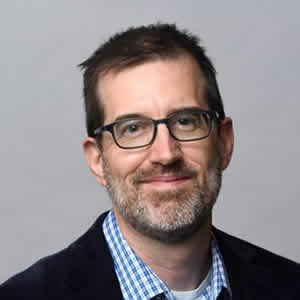 Benjamin Schafer is the Hackerman Professor of Civil and Systems Engineering and the Director of the Ralph O’Connor Sustainable Energy Institute at Johns Hopkins University. He is an active volunteer and leader on multiple national committees related to the engineering and design of steel building structures. He has won multiple awards for his research, teaching, and speaking and currently resides in Washington D.C. with his wife and son.
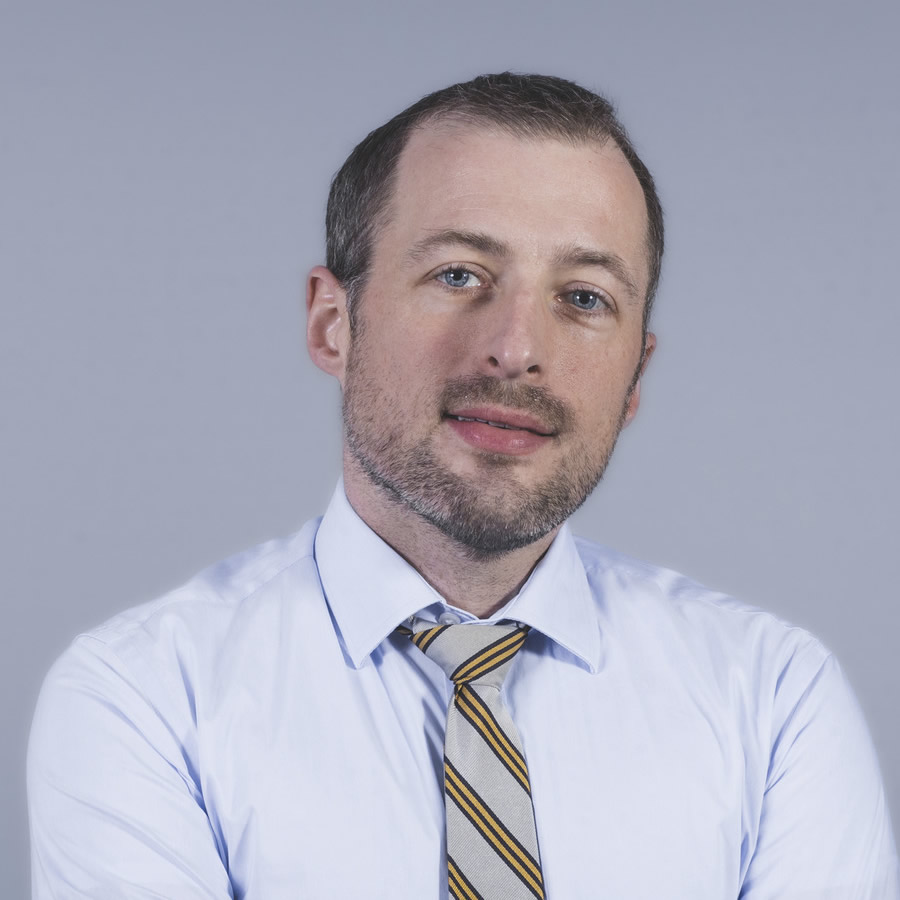 Ian is a Senior Principal who has led the design of mid- and high-rise buildings ranging from residential to office to innovative mixed-use developments such as Rainier Square Redevelopment in Seattle. His design experience focuses on projects in high seismic zones, including Performance Based Seismic Design (PBSD) developments throughout the Western US. Ian has developed codes and standards for PBSD for the American Concrete Institute, Building Seismic Safety Council, National Institute of Standards and Technology, and American Society of Civil Engineers.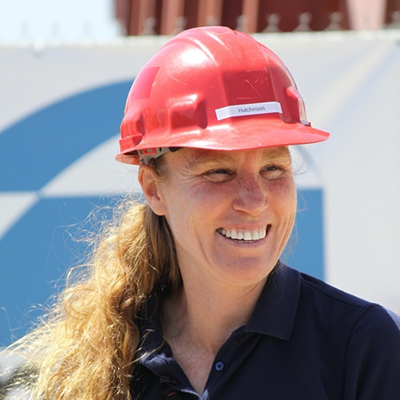



























Free Publications

Latest News
- NEW - Tech Note W401-26, Brace Design Using AISI S915
- Due October 15 - Presentation Abstracts for 2027 CFSEI Expo
- Updated - Tech Note F501-26: Cold-Formed Steel Truss to Bearing Connections
- Updated - Tech Note L200-26: Roof Anchorage Forces: MWFRS or C&C
- CFSEI Names Benjamin W. Schafer, Ph.D., P.E., F.SEI, Recipient of the 2026 John P. Matsen Award for Destinguished Service
Upcoming Events
Thu Oct 29, 2026Webinar on Structural Floor Systems for Cold-Formed Steel Structures Category: Webinar |
View Full Calendar
Announcements
Press Release! • June 9, 2026
CFSEI Announces Winners of 2026 Design Excellence and Creative Awards
Press Release! • June 8, 2026
CFSEI Names Benjamin W. Schafer, Ph.D., P.E., F.SEI, Recipient of the 2026 John P. Matsen Award for Destinguished Service