
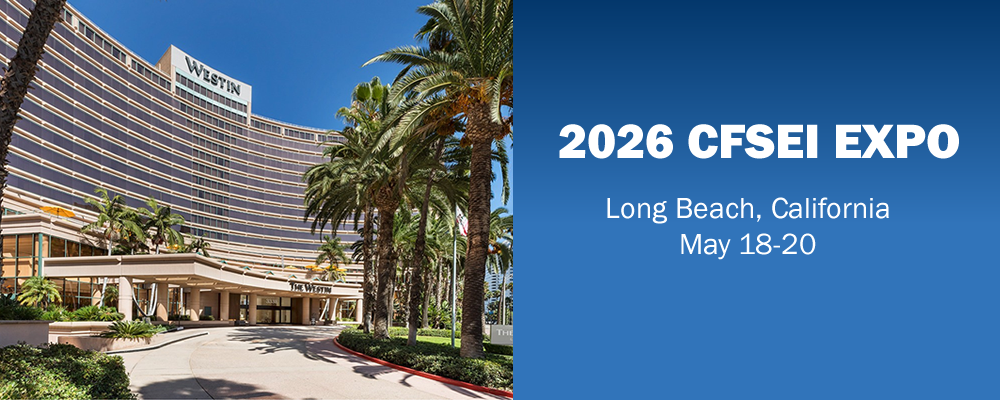
Design Loads on Cold-Formed Steel Structures During ConstructionEarn 1 PDH / 1 LU/HSWCold-formed steel (CFS) structures are subject to a range of temporary loading conditions during construction that are often excluded from design scopes. This presentation examines the application of ASCE 37-14, Design Loads on Structures During Construction, and its relevance to CFS framing systems, with emphasis on practical considerations related to construction means and methods. This presentation will explore key construction-phase load cases including:
Coordination between structural engineers, specialty designers, and contractors ensures that construction-phase loads, often not considered when doing an in-service design, are properly addressed. Practical strategies for detailing, sequencing, and temporary bracing will be discussed, highlighting how these considerations can influence member sizing, connection design, and overall safety. Recognizing and designing for these additional loads is vital to protecting worker safety and minimizing risk during construction. Learning Objectives
Jesse Barnes, P.E., S.E.
Jesse is a seasoned structural engineer with ten years of experience, specializing in mid-rise multi-family construction. Currently serving as a Technical Manager at McClure, Jesse leads quality assurance and technical oversight for large engineer-of-record projects, with a specialized focus on load-bearing cold-formed steel (CFS) systems. He ensures structural accuracy through detailed review of drawings, calculations, and delegated design packages, supporting both internal teams and external stakeholders. With a strong background in multi-family housing, museums, civil infrastructure, and commercial structures, Jesse has managed projects across the country, including notable contributions in Florida, California, and Michigan. His expertise spans various materials, including wood, concrete, structural steel, cold-formed steel, and masonry. Jesse earned his Bachelor of Science degree in Civil Engineering from the University of Missouri in 2014. He is licensed as a Professional Engineer in nine states and as a Structural Engineer in two. Click to register
|
|||||||||||||||||||||||||||||||||||||||||||||||||||||||||||||||||||||||||||||||||||||||||||||||||||||||||||||||||||||||||||||||||||||||||||||||||||||||||||||||||||||||||||||||||||||||||||||||||||||||||||||||||||||||||||||||||||||||||||||||||||||||||||||||

 The presentation will provide detailed guidance on applying ASCE 37 load combinations and load factors to CFS framing, with a focus on interpreting these provisions in the context of temporary conditions.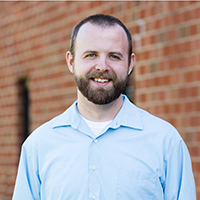


















Free Publications

Latest News
- NEW - Tech Note W401-26, Brace Design Using AISI S915
- Due October 15 - Presentation Abstracts for 2027 CFSEI Expo
- Updated - Tech Note F501-26: Cold-Formed Steel Truss to Bearing Connections
- Updated - Tech Note L200-26: Roof Anchorage Forces: MWFRS or C&C
- CFSEI Names Benjamin W. Schafer, Ph.D., P.E., F.SEI, Recipient of the 2026 John P. Matsen Award for Destinguished Service
Upcoming Events
Thu Oct 29, 2026Webinar on Structural Floor Systems for Cold-Formed Steel Structures Category: Webinar |
View Full Calendar
Announcements
Press Release! • June 9, 2026
CFSEI Announces Winners of 2026 Design Excellence and Creative Awards
Press Release! • June 8, 2026
CFSEI Names Benjamin W. Schafer, Ph.D., P.E., F.SEI, Recipient of the 2026 John P. Matsen Award for Destinguished Service